Quiet-Season Journeys of Art and Memory
We’re spotlighting art and history workshops abroad for seniors during the quiet seasons, when museums exhale and streets fall calm. Discover how gentler travel windows open doors to deeper learning, easier access, and meaningful company. Expect practical guides, invitations to participate, and heartfelt stories that make creativity and historical discovery feel welcoming, unhurried, and wonderfully attainable.
Choosing Destinations When Crowds Disappear
Quiet months transform celebrated places into thoughtful classrooms. With fewer lines and softer schedules, seniors can engage directly with local artists, historians, and guides, savoring conversations often impossible in high season. Here we explore how to match climate patterns, accessibility needs, and cultural calendars with your personal pace, curiosity, and budget, so every day brings gentle beauty, safety, and welcoming opportunities to learn without hurry.
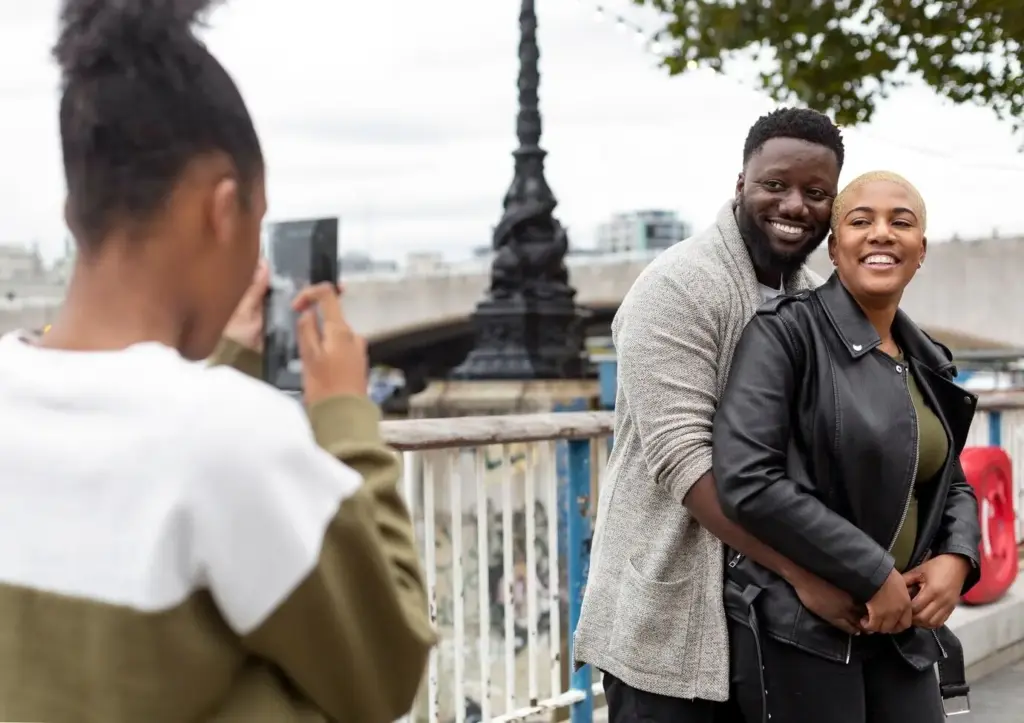
European towns that welcome learners after summer
Imagine Siena, Bruges, or Porto after the festivals fade, when piazzas feel like living rooms and museum staff have time to chat. Reduced foot traffic means wheel-friendly routes stay clearer, cafés quiet down, and workshops can adapt to real interests. Share where you dream of going, and we’ll help align language support, transit ease, and seasonal events with your creative plans.
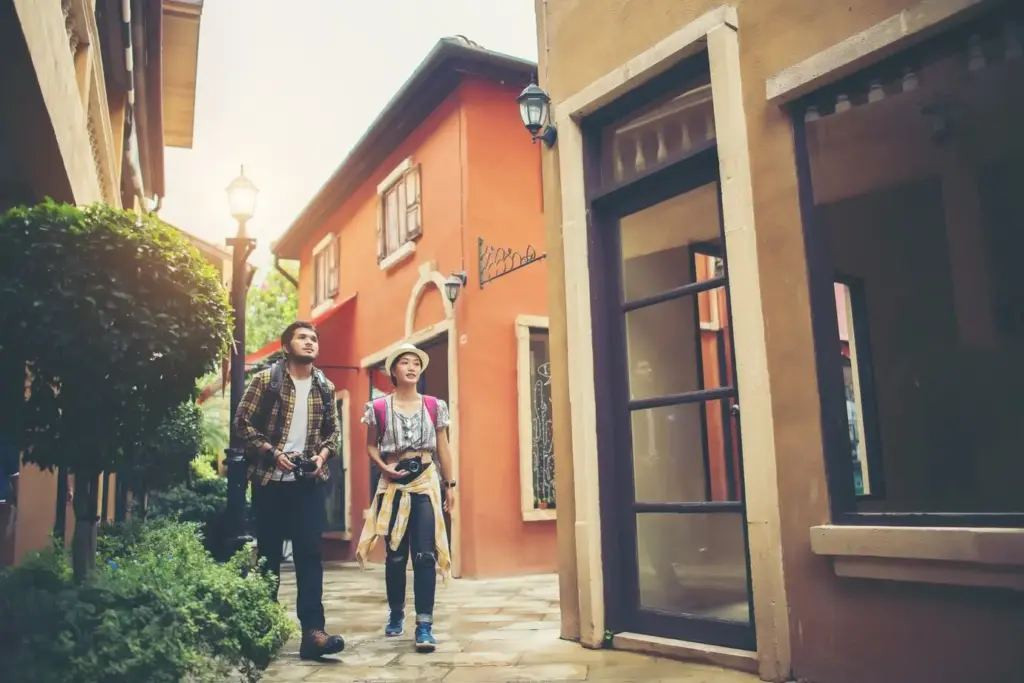
Coastal light and studio space in the shoulder months
Coastal light in places like Cascais, Nice, or Cornwall softens in autumn and spring, creating perfect conditions for sketching, watercolor, and contemplative photography. Studios and community centers become more available, while rental costs often relax. With tides predictable and trails less crowded, participants can pause comfortably between sessions. Ask your host about indoor backup spaces, accessible restrooms, and nearby shelters for breezy days.
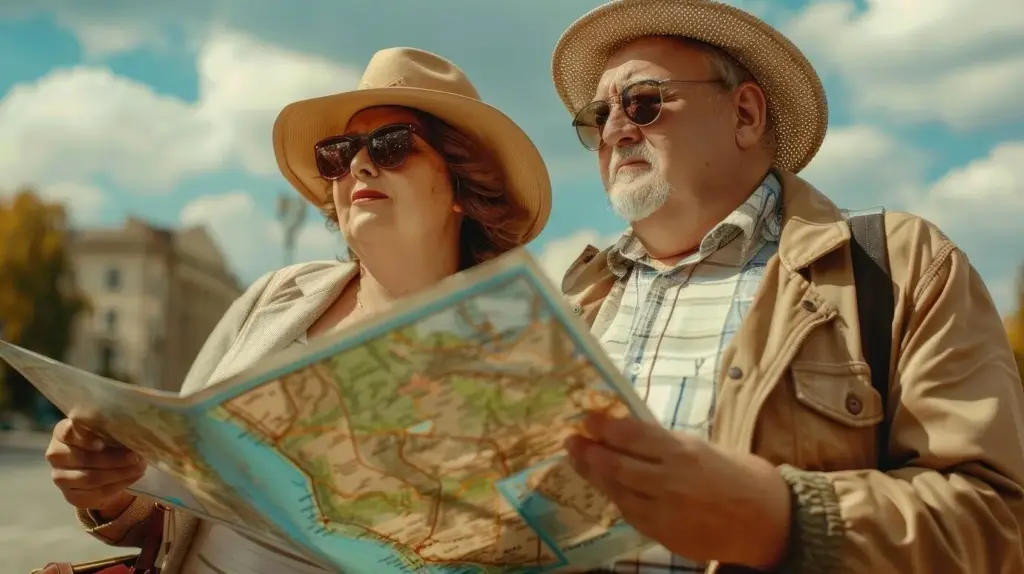
Weather, transport, and mobility considerations
Quiet seasons vary by region, and thoughtful planning turns variability into comfort. Check average temperatures, daylight hours, and holiday closures alongside elevator access, tram frequency, and curb cuts. A warm scarf, foldable cane seat, or compression socks may transform a long day into a joyful one. Tell us your priorities, and we’ll suggest routes and resources that respect energy levels.
Designing Workshops for Comfort and Access
A compassionate workshop flow respects bodies and attention spans without sacrificing depth. Breaks are scheduled, seating is plentiful, and materials are chosen for portability. Educators slow the pace but sharpen focus, making room for questions and stories. Below, explore how timing, group size, and pedagogy support dignity, confidence, and genuine achievement for learners returning to creative practice or beginning anew.
Art Practices That Travel Well
Portable methods help maintain momentum across borders and time zones. Simple kits invite daily practice in quiet courtyards, slow trains, and sunlit museum benches. Techniques here emphasize minimal setup, gentle focus, and steady satisfaction. Whether you sketch, photograph, collage, or write, you’ll find pathways for nurturing attention, capturing history’s textures, and returning home with a body of meaningful, personal work.
Sketchbooks as portable companions
A pocket sketchbook turns waiting times into creative windows. Five-minute line studies at a cloister, color notes near a harbor, or thumbnail compositions before a fresco can seed larger work later. Tape tickets, leaves, and receipts beside drawings to anchor memory. Start each page with a date, weather note, and mood. Share your favorite pages with our community for gentle encouragement and ideas.
Gentle photography walks at museum pace
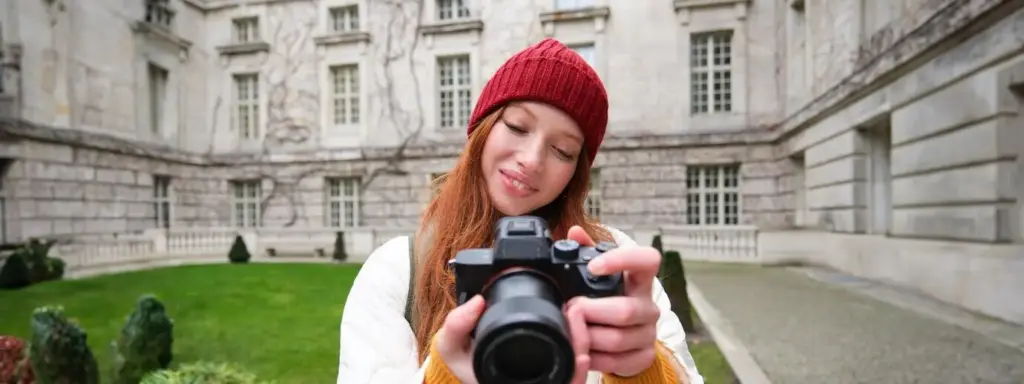
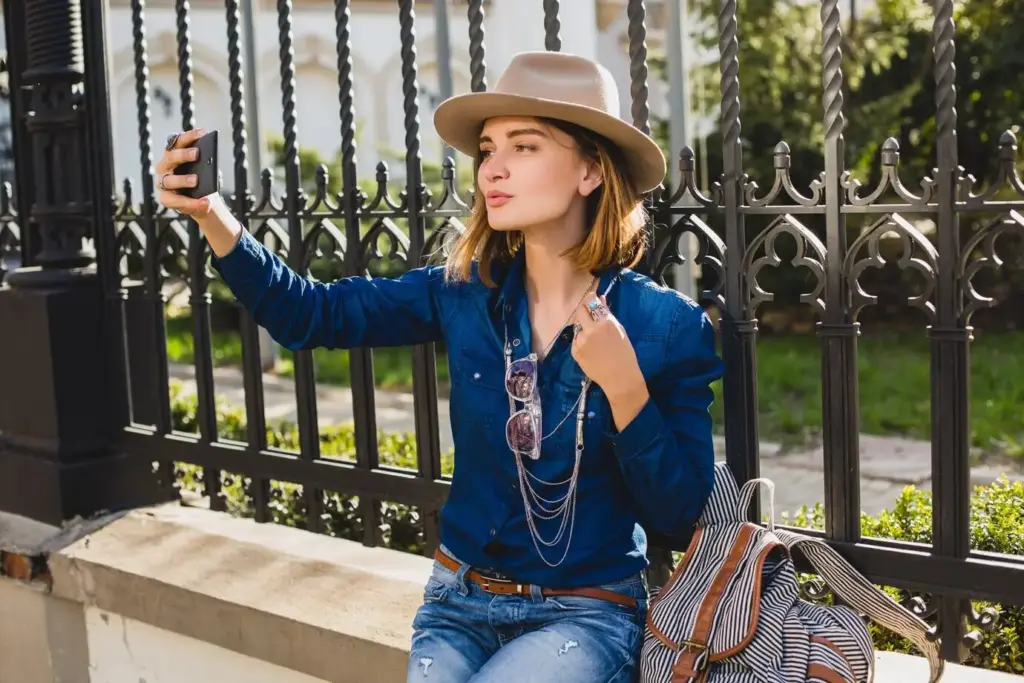
Photography walks designed for unhurried exploration prioritize benches, shade, and accessible paths. Practice noticing textures on old stone, reflected skies in puddles, and the choreography of hands in artisan workshops. Use lightweight cameras or phones with wrist straps and voice control. Build a series around doors, quiet corners, or morning light. Post your images in our group space and spark thoughtful conversations.
Collaborations with local artisans
Partnering with printmakers, ceramicists, or bookbinders turns place into process. Many studios welcome visitors during off-peak months and love sharing techniques passed down through families. Short, focused sessions with clear outcomes—like a small lino print—build confidence quickly. Ask about translators, safety protocols, and firing schedules. Leave with a piece made by your hands and a story shaped by shared craft.
History Brought to Life
Quiet seasons invite deeper listening. Archives, small museums, and neighborhood guides often have time to linger, clarifying context and nuance. With fewer distractions, questions emerge, and connections between local traditions and global histories grow tangible. These approaches emphasize respectful inquiry, accessibility, and sensory detail, helping travelers transform curiosity into understanding that endures beyond the journey and enriches communities back home.
Seasonal health planning and insurance
Consult your clinician about vaccines, altitude concerns, or allergy management tied to the region and season. Verify travel insurance includes pre-existing conditions and medical evacuation. Photograph essential documents and store them securely offline. Ask hosts about stair counts, handrails, and heating. Share any dietary needs in advance. When wellbeing logistics are clear, attention returns to brushes, books, and the pleasure of learning together.
Pacing days with rest and reflection
A sustainable day might include one focused outing, quiet journaling, and gentle social time. Build buffers between activities, and honor signals from knees, hips, and hearts. Stretch, hydrate, and celebrate small completions. Reflection turns moments into meaning: a note about a docent’s insight or a sketch of afternoon shadows. Tell us how you pace best, and we’ll suggest compatible schedules.

Navigating language, money, and etiquette
Learn a handful of phrases for gratitude, directions, and health needs; locals notice and appreciate the effort. Use cards with no foreign transaction fees and carry small bills for markets. Observe museum etiquette, artisan studio rules, and religious site customs. Ask before photographing. A respectful traveler receives kindness in return. Share your tips and questions so others can benefit from your thoughtful approach.
Costs, Value, and Lasting Community
Off-season travel can stretch budgets while enriching experience. Lower lodging prices, reduced entry fees, and relaxed airfare windows help fund extra studio time, private tours, or adaptive equipment. Equally valuable is friendship: conversations begun in quiet galleries often grow into supportive creative circles. Explore strategies below to plan wisely, spend mindfully, and cultivate relationships that continue long after the suitcase is unpacked.
Off-season budgets and scholarships
Track shoulder-season price curves with fare alerts and flexible calendars. Ask cultural centers about senior discounts or bursaries, and check foundations supporting lifelong learning. Shared apartments near transit can reduce costs while increasing community. Factor in travel insurance and art materials before booking. Share your budgeting breakthroughs with readers, inspiring others to pursue meaningful study without financial strain or rushed decision-making.
Packing smarter, spending wiser
Choose layers that mix and match, a compact rain shell, and shoes already broken in. A foldable daypack, refillable bottle, and compact first-aid kit reduce on-the-go purchases. Opt for multipurpose art supplies instead of bulky sets. Borrow tripods or easels from hosts when possible. Compare museum passes and multi-day transit cards. Comment with your favorite packing tricks and cost-saving finds.
Staying connected after returning home
Keep momentum by scheduling virtual critique circles, book clubs focused on local history, or reunion sketch sessions. Share resources, museum notes, and newfound artists. Mail postcards with your artwork to friends you met abroad. Invite local community centers to host your small group exhibit. Subscribe for workshop updates and tell us what you’d like to learn next, so our shared journey continues.

All Rights Reserved.